
Daily Routines
A Daily Vitamin D and Magnesium Stack: One Month of Observations
Marcus Chen
·

Among the micronutrients most cited in men's daily supplement stacks, zinc and the B vitamin complex occupy a particular position: understated in marketing, yet consistently referenced in published nutritional literature as contributors to daily focus and energy awareness.
Zinc is a trace mineral found across a wide range of whole food sources — red meat, shellfish, legumes, seeds — yet survey data on active men's nutritional habits consistently finds it among the nutrients most likely to fall below recommended intake levels. The reasons are practical: dietary variety tends to narrow under the pressure of consistent training schedules, and whole foods richest in zinc are not always the easiest to prepare in volume.
From an editorial review standpoint, zinc's role in nutritional balance for active men is well documented in published nutritional research. It contributes to the normal functioning of the immune response, supports protein synthesis in the context of a varied diet, and is part of the broader micronutrient environment that whole-food-first nutritional planning seeks to maintain. For men whose daily output includes regular resistance training or endurance activity, zinc contributes to nutritional balance in active men's routines in a way that is difficult to replicate through a single food source alone.
The supplement case for zinc is not that it is deficient in a well-varied diet — it is that well-varied diets are the exception rather than the rule among men whose schedules prioritise physical output. Supplement journalling observations across a range of active men's routines suggest that zinc is most often introduced as part of a broader stack rather than as an isolated nutrient, typically alongside magnesium in the form of ZMA-style combinations.
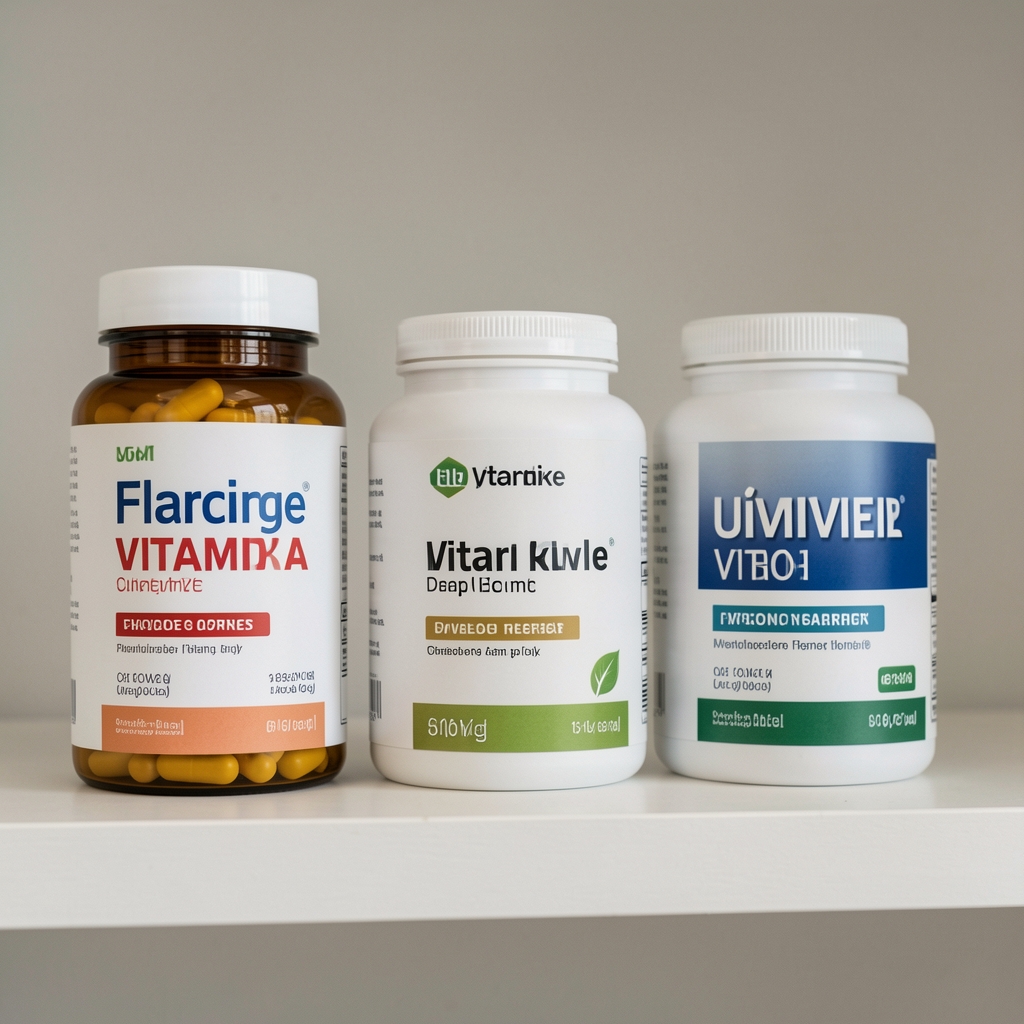
The B vitamin group is not a single nutrient — it is a collection of eight distinct compounds, each with its own nutritional role and its own dietary source profile. What they share is a broad association with energy metabolism in published nutritional literature: B vitamins contribute to daily focus and energy awareness in the context of a diet that provides adequate total intake.
For active men, the B vitamins most frequently referenced in supplement stack reviews are B12, B6, and B9 (folate). B12 is of particular relevance for men who have reduced their red meat intake in favour of plant-forward diets — it is found almost exclusively in animal products, and its absence from plant-based whole foods is one of the few instances where supplement use is consistently recommended in published nutritional guidance. B6 supports protein metabolism and is present in poultry, fish, and starchy vegetables; supplemental B6 is most often encountered within broad-spectrum multivitamin formulations rather than as a standalone.
Niacin (B3) and riboflavin (B2) contribute to energy production from macronutrients and are generally well-covered by a varied whole food diet. Their presence in men's supplement stacks is therefore more likely to reflect the inclusion of a general multivitamin than a targeted supplementation decision. The editorial observation here is consistent: B vitamin supplementation for active men is most defensible as a nutritional safety net — ensuring that dietary gaps do not create energy awareness deficits — rather than as a performance amplifier.
The distinction matters in how supplement choices are framed. An evidence-informed approach to B vitamin supplementation acknowledges published nutritional research without overstating outcomes: the nutrients contribute to daily focus and energy awareness in men whose diets may not fully meet reference intake levels, particularly under conditions of elevated physical output.
"An evidence-informed supplement routine begins with an honest audit of what the daily diet is consistently providing — and where its gaps reliably fall."
— Reza Pratama, Eroval Journal
Supplement journalling among active men reveals a consistent pattern: zinc and B vitamins are rarely the first additions to a daily stack. They tend to follow an initial focus on protein and creatine, entering the routine as the practitioner begins paying more deliberate attention to micronutrient coverage. This sequencing reflects a practical hierarchy — macronutrient targets first, micronutrient coverage second — that aligns reasonably well with established nutritional priorities for physically active men.
The form in which zinc enters the stack matters in ways that are often underappreciated. Zinc oxide, a common form in budget multivitamins, has lower bioavailability than zinc picolinate or zinc bisglycinate according to comparative absorption studies cited in published nutritional research. For men who are supplementing with specific attention to absorption, the form warrants consideration. The same principle applies to B12 — methylcobalamin is the form most often cited in nutritional research as having higher bioavailability than cyanocobalamin, though the difference is most relevant for men with specific absorption considerations.
The timing of zinc and B vitamins within a daily routine is a secondary consideration. The more relevant question is consistency: whether the supplement is taken regularly enough to contribute meaningfully to nutritional intake over time. Supplement stacking habits that are built around simplicity — fewest separate items, taken at the most reliably consistent moment of the day — tend to produce the most sustained adherence in observational terms.
Eroval Journal's editorial position on zinc and B vitamin supplementation is consistent with its broader approach to men's supplement coverage: whole food first, supplement as addition not replacement. The zinc content of a 100g serving of pumpkin seeds compares favourably with most standard supplement doses; a varied intake of poultry, fish, eggs, and leafy greens covers the B vitamin range for the majority of men eating without specific dietary restrictions.
The supplement becomes relevant in the gap between the whole food ideal and the whole food reality. That gap is wider for active men than general population surveys suggest — training schedules, appetite suppression post-exercise, and the practical constraints of meal preparation frequency all contribute to a nutritional intake that is more variable than intended. Supplementation in this context is a reasonable response to a documented pattern, not a shortcut around dietary awareness.
For men beginning to build a daily supplement stack, zinc and B vitamins are defensible inclusions — not because they are the most impactful choices, but because they address genuine dietary gaps, are supported by a substantial body of published nutritional research, and integrate without difficulty into a broader supplement and whole food routine.
The editorial value of reviewing zinc and B vitamins together is that it illustrates a principle applicable across the broader men's daily supplement stack: the closer a supplement's role is to filling a documented dietary gap rather than amplifying a function beyond its natural range, the more straightforwardly it fits within an evidence-informed nutritional routine.
Zinc contributes to nutritional balance in active men's routines; whole food sources are primary, supplementation addresses dietary variability.
B vitamins contribute to daily focus and energy awareness; B12 is the most relevant individual nutrient for men reducing animal product intake.
Supplement form influences bioavailability; zinc picolinate and methylcobalamin B12 are more bioavailable forms according to published nutritional research.
Consistency of supplementation over time is the most reliable predictor of sustained nutritional coverage for active men.
As with all content published by Eroval Journal, this article reflects the writer's observations on published nutritional research and supplement journalling patterns. It is not intended as professional guidance for any individual's specific nutritional routine. Readers with specific dietary requirements are encouraged to speak with a qualified wellness professional.

Reza Pratama is a contributing writer to Eroval Journal, focused on men's nutritional habits and the role of everyday supplementation in active lifestyle routines. His writing draws on published nutritional research and observational supplement journalling.
More from this contributor →